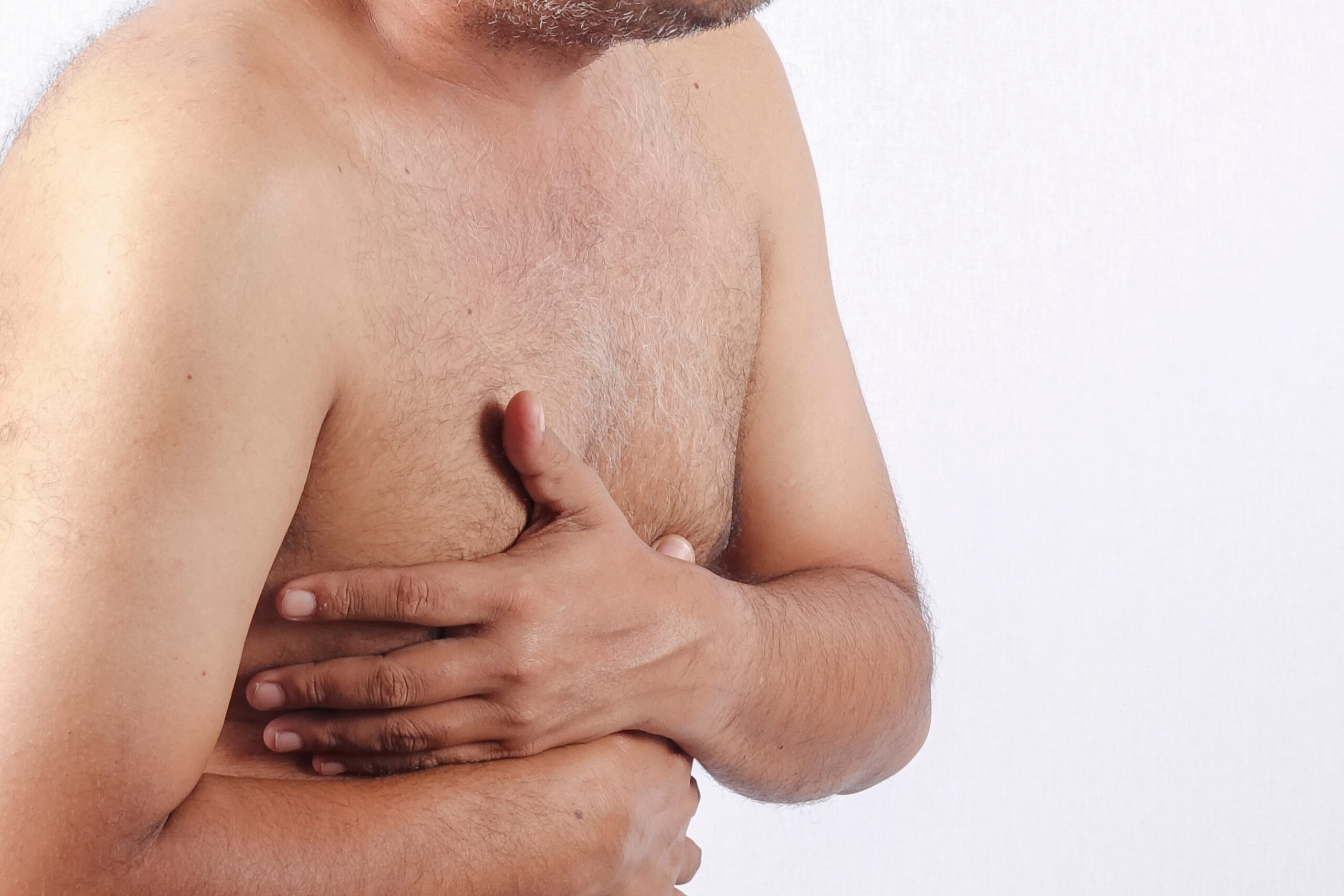
Adipomastia in men

Adipomastia is a common condition in men and is often a source of self-consciousness and discomfort. It involves an excessive build-up of fat in the chest area, giving the chest a feminine appearance. Although it is benign, this condition can have a significant impact on self-esteem and quality of life. It is therefore essential to understand the condition, know the treatment options available and know what to expect throughout the treatment process.

Make an appointment
Adipomastia in Men | Benjamin Sarfati: Cosmetic and Plastic Surgeon in Paris

An overview of adipomastia in men

Adipomastia, also known as pseudogynaecomastia or fatty gynaecomastia, is characterised by an excessive accumulation of fatty tissue in the male chest, without any glandular development. Unlike gynaecomastia, which involves enlargement of the mammary glands, adipomastia is mainly caused by excess fat, often linked to being overweight or to genetic factors.

This condition can affect one or both breasts and cause significant aesthetic and psychological discomfort. It is essential to distinguish adipomastia from gynaecomastia in order to determine the appropriate treatment.

Treatments for adipomastia in men

Non-surgical approaches

Before considering surgery, certain measures can be taken:

  • A balanced diet: healthy, calorie-controlled eating can help reduce body fat, including in the chest area
  • Regular exercise: cardiovascular activity and strength training can help reduce body fat and tone the pectoral muscles

However, these methods may not be enough to eliminate adipomastia completely, especially if the fat is localised and resistant. In such cases, surgery is the only effective solution.

Liposuction

Liposuction is the treatment of choice for persistent adipomastia. This procedure involves removing excess fat from the chest using fine cannulas inserted through small incisions. It is generally performed under general or local anaesthesia as a day-case procedure.

Although it is a surgical procedure, chest reduction by liposuction leaves minimal, discreet scars, offers a quick recovery and provides long-lasting results, provided a stable weight is maintained.

Consultation for fatty gynaecomastia in men

A consultation with a plastic surgeon is essential to establish an accurate diagnosis. The surgeon will carry out a clinical examination, possibly supplemented by an ultrasound scan, to distinguish adipomastia from glandular gynaecomastia.

During this consultation, the surgeon will discuss the treatment options, the patient’s expectations and the anticipated results. A personalised quote will also be provided.

What to expect from male chest reduction

Male chest reduction by liposuction generally begins with the administration of anaesthesia, which may be local or general depending on the volume of fat to be removed and the patient’s preferred level of comfort. Once the anaesthesia has taken effect, the surgeon makes small, discreet incisions, often located around the areola or in the natural skin folds to minimise visible scarring.

Fine cannulas are inserted through these incisions to remove excess fat in a targeted manner. The surgeon thus sculpts the chest to achieve a firmer, more masculine contour. Once the fat has been removed, the incisions are closed with fine sutures and a compression dressing is applied.

The procedure generally takes between 1 hour and 1 hour 30 minutes, depending on the amount of fat to be removed.

Recovery after adipomastia treatment in men

The recovery period is generally short:

  • Compression garment: worn for around 4 to 6 weeks to encourage skin retraction and reduce swelling
  • Return to activities: light activities can be resumed after a few days, while strenuous physical exertion should be avoided for 3 to 4 weeks
  • Medical follow-up: post-operative consultations are scheduled to monitor healing and the progress of the results

Results

The first results become visible once the swelling has subsided, usually after 2 to 3 weeks. The final result, with a flatter, more balanced chest, is achieved after 3 to 6 months.

Patient satisfaction is generally high, with a noticeable improvement in self-esteem and physical comfort.

The cost of adipomastia treatment in men

The cost of liposuction to treat adipomastia varies depending on the complexity of the procedure. Following the initial consultation, Dr Sarfati will provide you with a detailed quote. As this procedure is considered cosmetic, it is not covered by the French national health insurance system (Sécurité Sociale).

FAQ

What is adipomasti?

Adipomastia, also known as pseudogynaecomastia, is caused by excess fat in the chest area, without any development of the mammary gland. It is common in overweight men or after significant weight loss.

How is it different from gynaecomastia?

Gynaecomastia consists of firm or nodular tissue, often located beneath the nipple, whereas adipomastia is soft and diffuse, like the rest of the body’s fat. A clinical examination, and sometimes an ultrasound scan, can distinguish between the two.

What causes adipomastia?

It is often linked to weight gain or an excess of localised fatty tissue, or it may persist after significant weight loss, particularly if the skin is loose.

What is the treatment for adipomastia?

Liposuction is the reference treatment. It removes excess fat without affecting the mammary gland.

dr Benjamin Sarfati

DOCTOR BENJAMIN SARFATI

Specialist in breast surgery and intimate surgery